Public space asks different questions of a painter. On the Addis Ababa corridor, Tesfa Solomon’s mosaic and statue work meet people who may never enter a commercial gallery. The audience is civic: passers-by, neighbours, and the city’s everyday traffic of looking. There is no ticket desk and no quiet white wall—only weather, distance, and the pace of the street.
Decorative geometry and figurative presence have to scale up. Materials, viewing distance, and surrounding architecture change how a composition is read. What works as acrylic on canvas in the studio must be rebuilt so pattern and figure still hold when someone glances from a moving sidewalk.
Surface, structure, and site
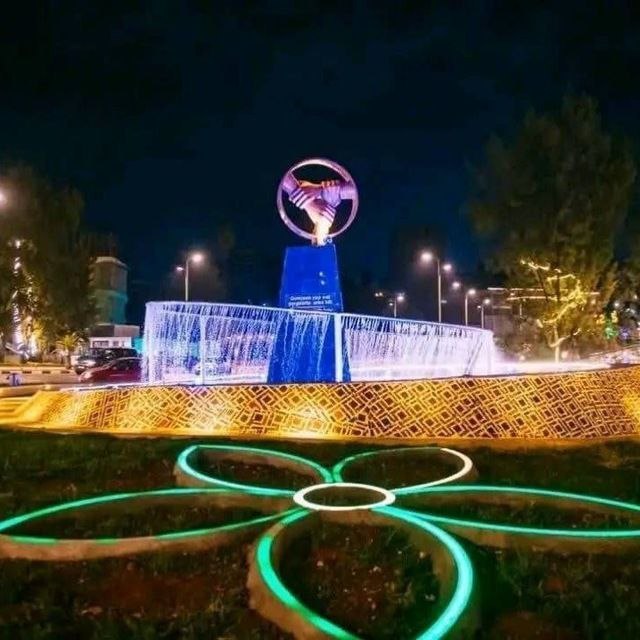
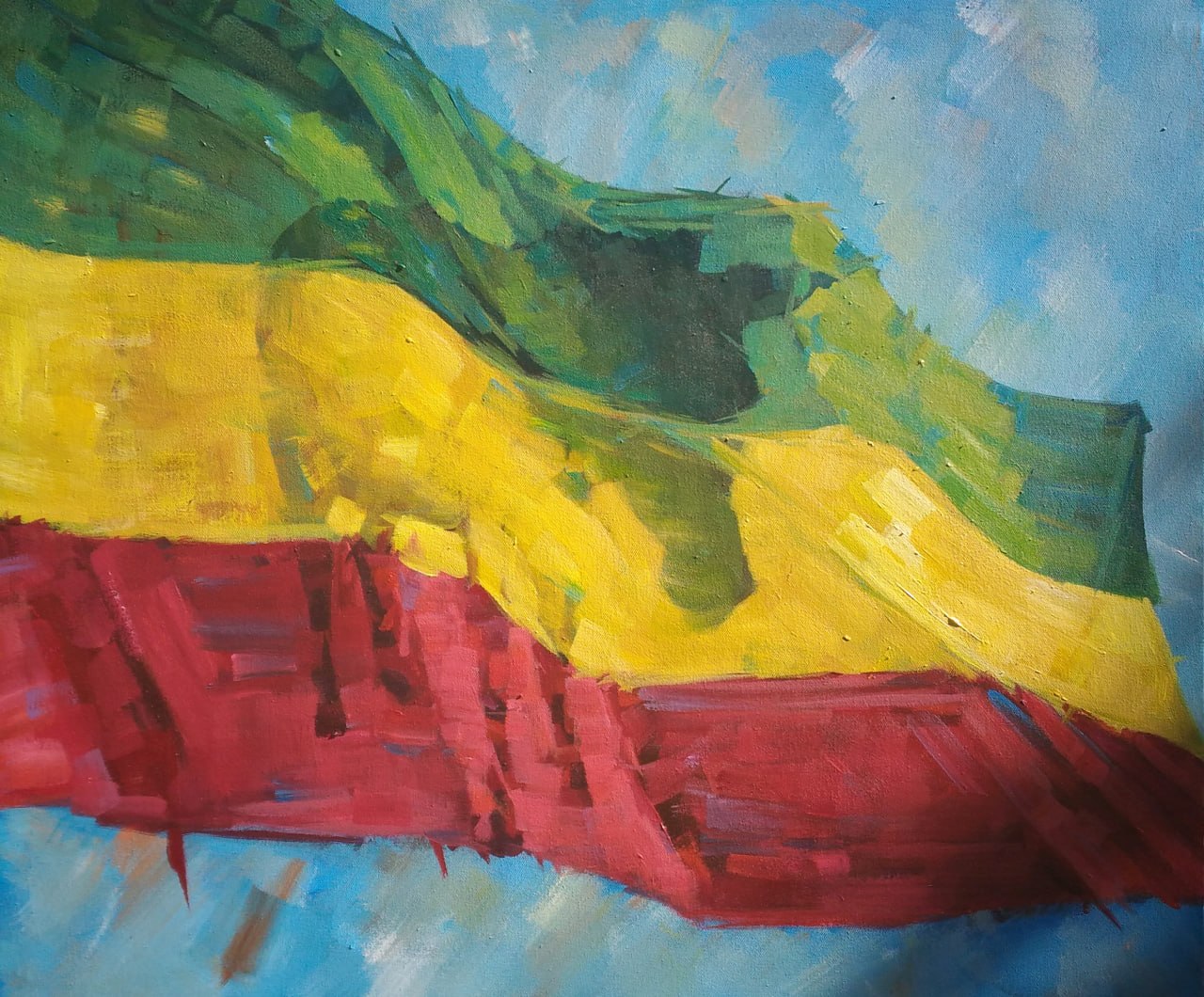
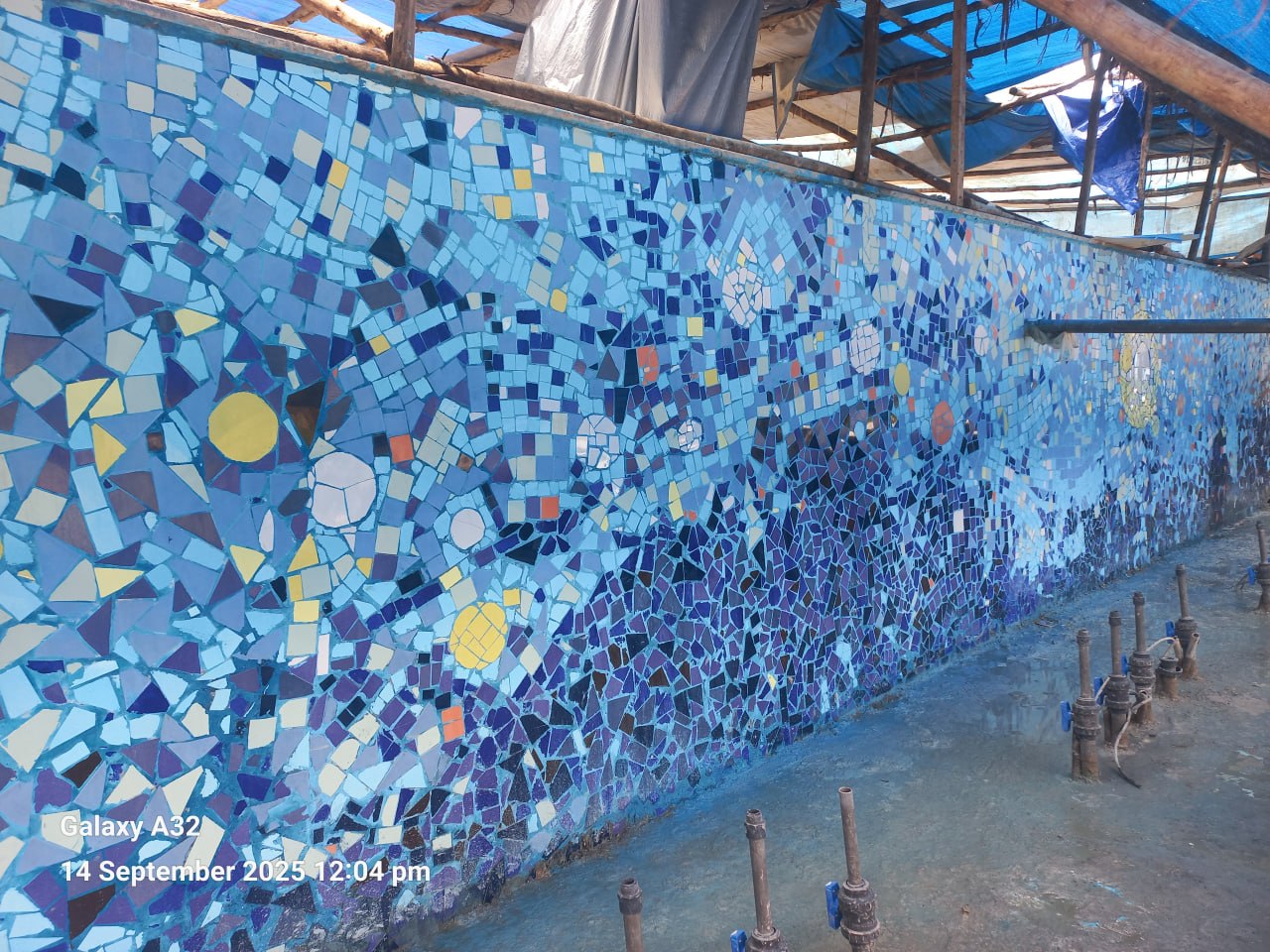
Mosaic detail from the Addis Ababa corridor commission
Still photography captures surface, pattern, and the relationship between artwork and surrounding structure. Details matter: tile edges, colour blocks, and how light hits relief. Process videos on the project page show production and installation in motion—labour that still photographs can only imply.
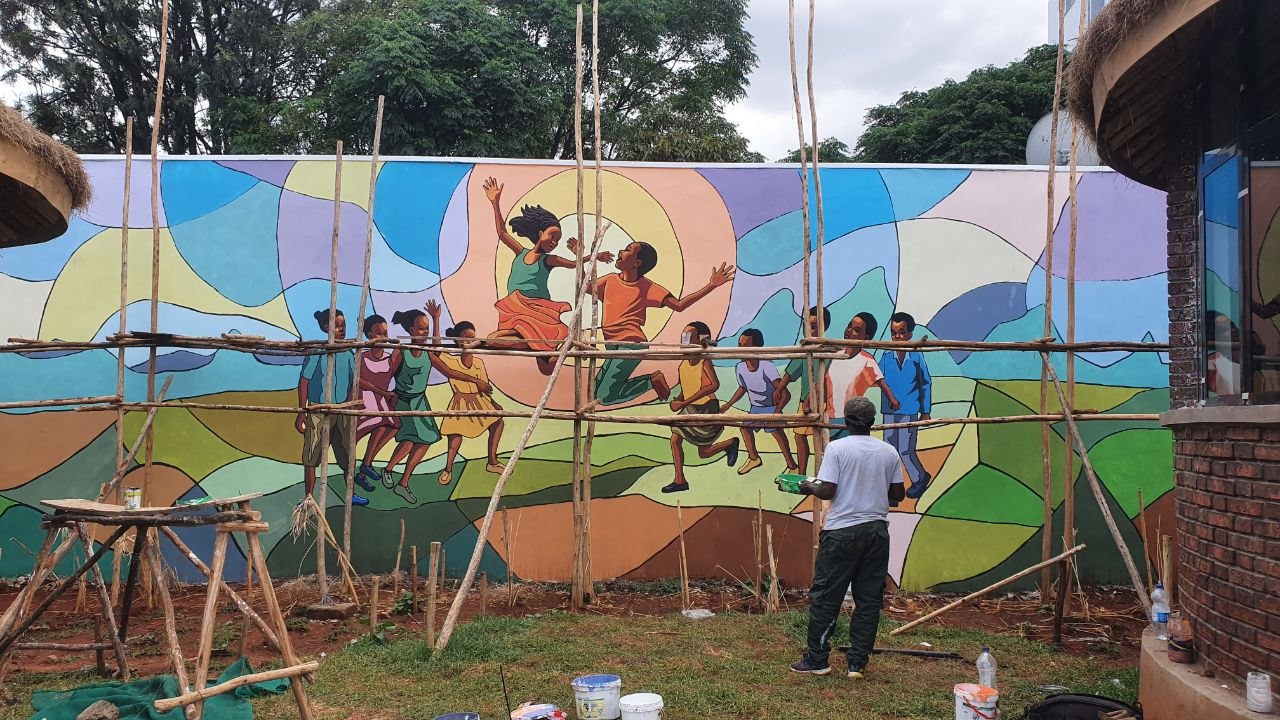
Corridor artwork documented on site
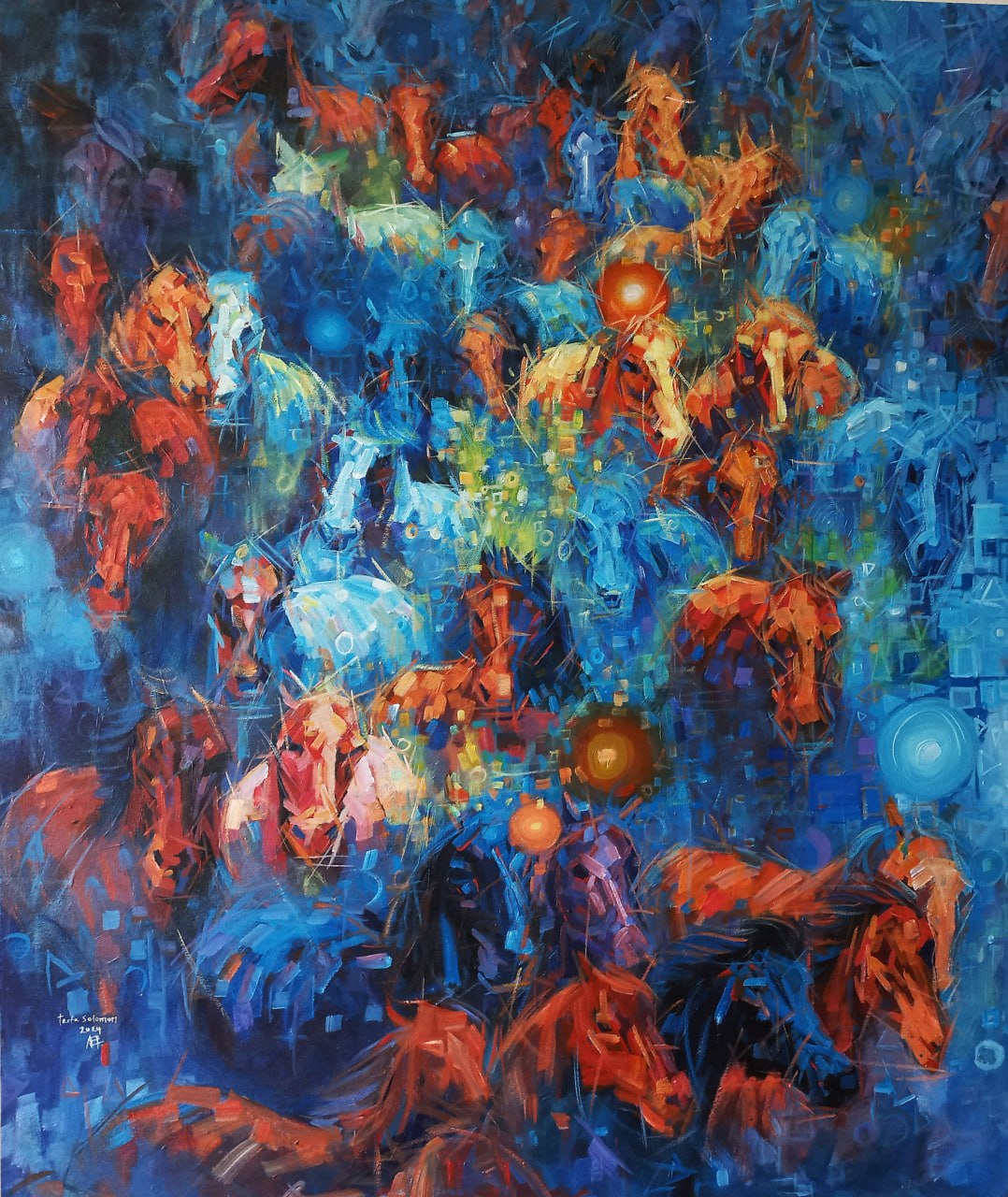
When you compare corridor images with gallery installation shots, notice the shift in scale and audience. The corridor commission is not a smaller version of a solo show; it is studio language rewritten for a civic site. Colour has to survive sun and distance. Figure has to remain legible without a catalogue text beside it.
See the full commission
Open the Addis Ababa Corridor Art Work portfolio for the full gallery and embedded local videos from the making of the piece. Pair those pages with exhibition essays elsewhere on the Blog if you want the wider map of solos and group shows that surround this public chapter.