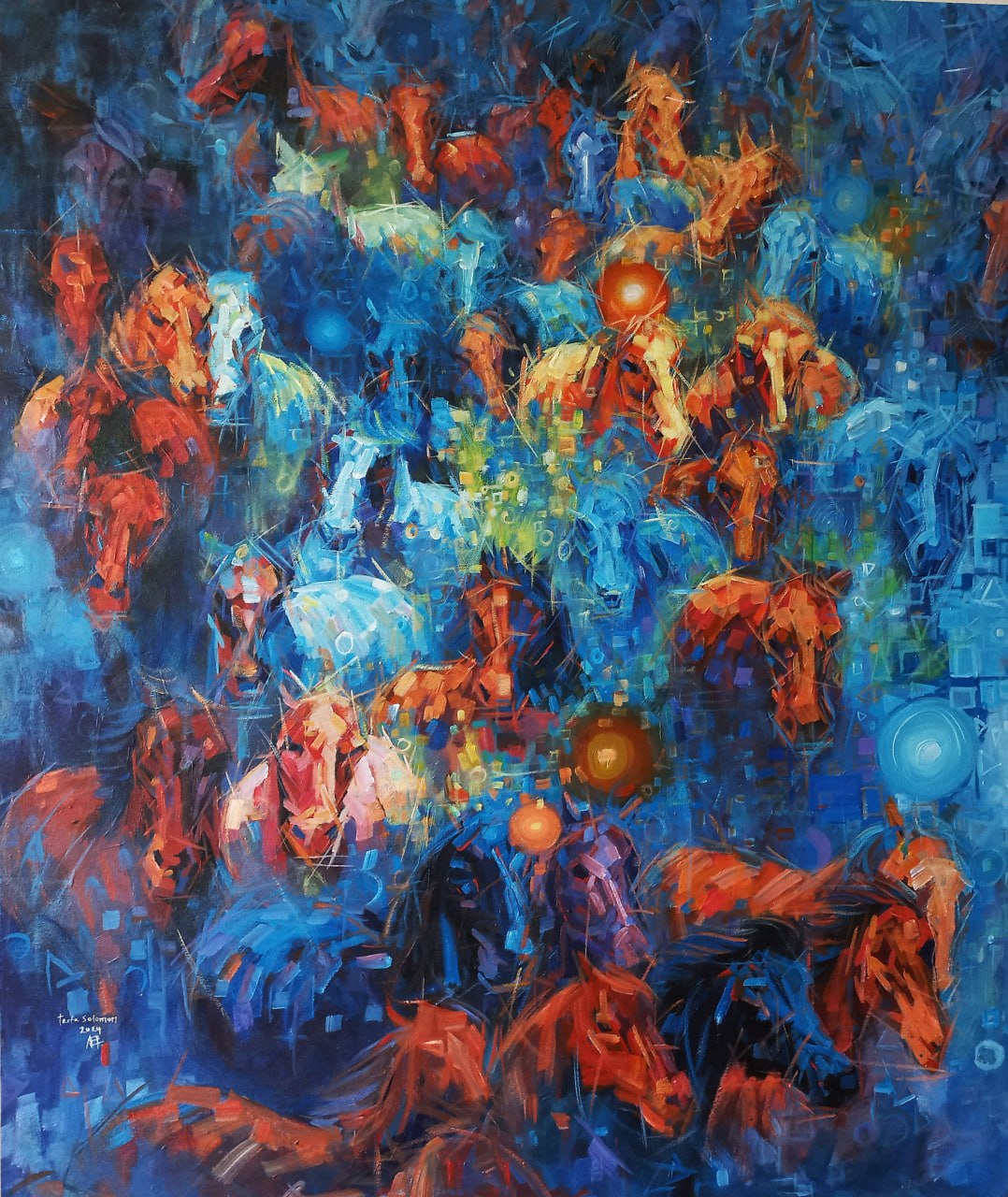
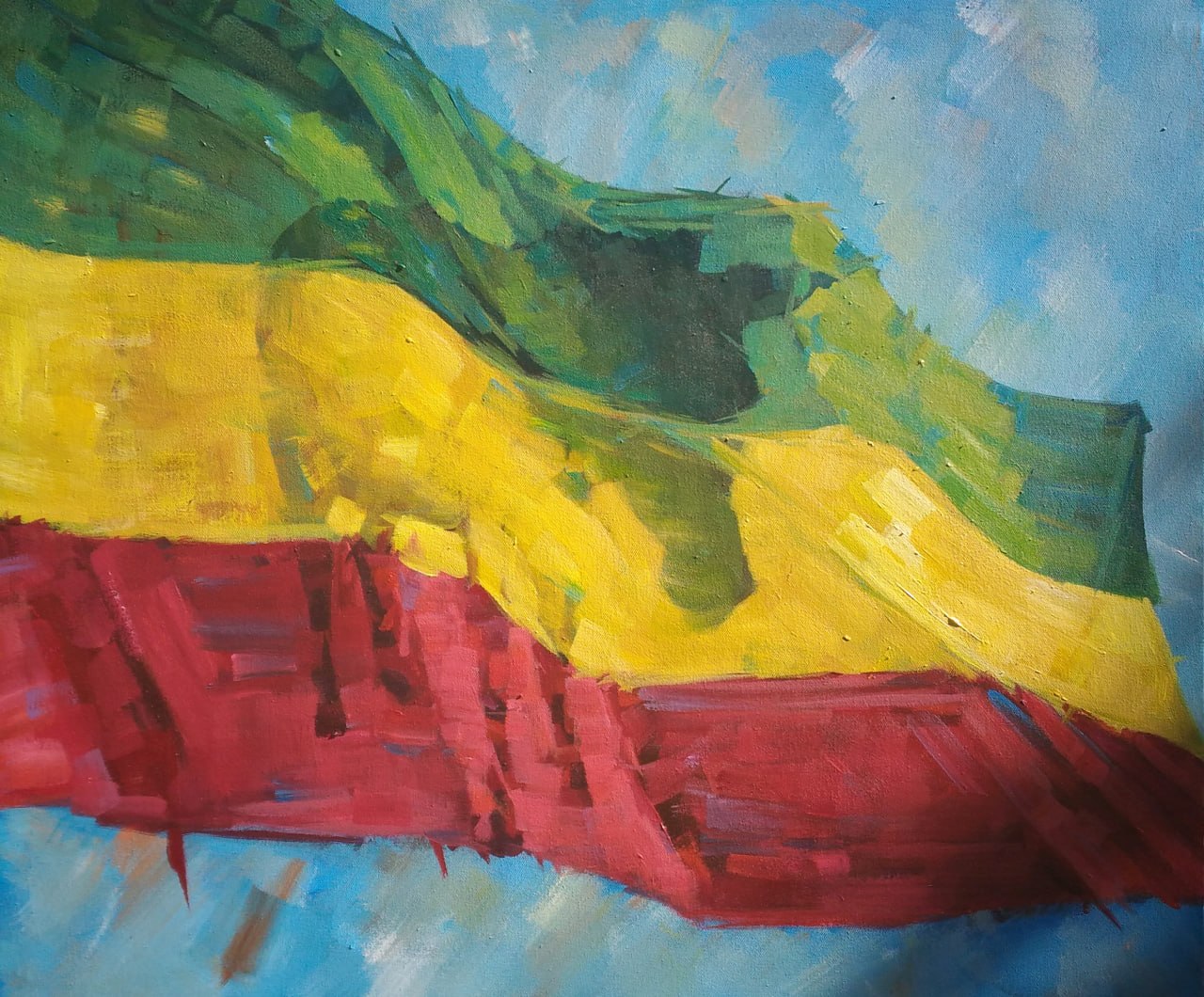
Tesfa Solomon Messele’s public life as a painter is easiest to follow through venues. Each exhibition is a chapter: a room, a partnership, and a moment when acrylic works leave the studio and meet an audience in Addis Ababa or beyond. Reading those chapters in order—or jumping between them—shows how the work changes when light, furniture, and foot traffic change.
The solo presentations—Alliance Ethio-Française, Tomoca Art Gallery, Dire Dawa, Matot Coffee House, and the Ethio-Luxembourg programme—sit beside Other Group Exhibitions and the Addis Ababa Corridor public art commission. Together they map a practice that moves between gallery walls, café spaces, and the street without treating any one format as the only “serious” stage.
Reading the archive
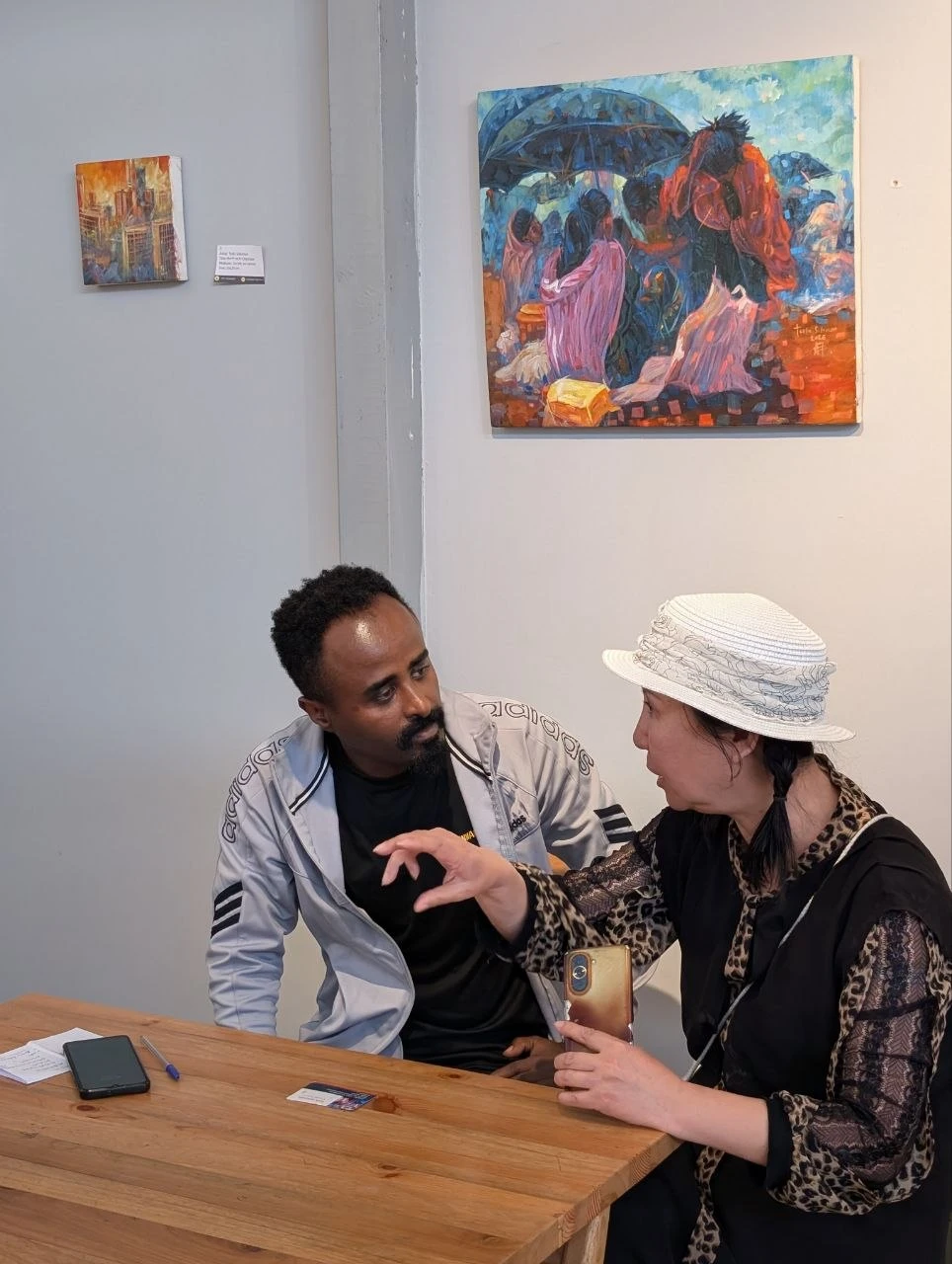
On this site, Portfolio pages hold installation photographs rather than treating each canvas as its own project. That choice keeps attention on how the work was shown: lighting, hang height, neighbour paintings, and the character of each place. A café hang and an Alliance hang ask different things of the same colour language.
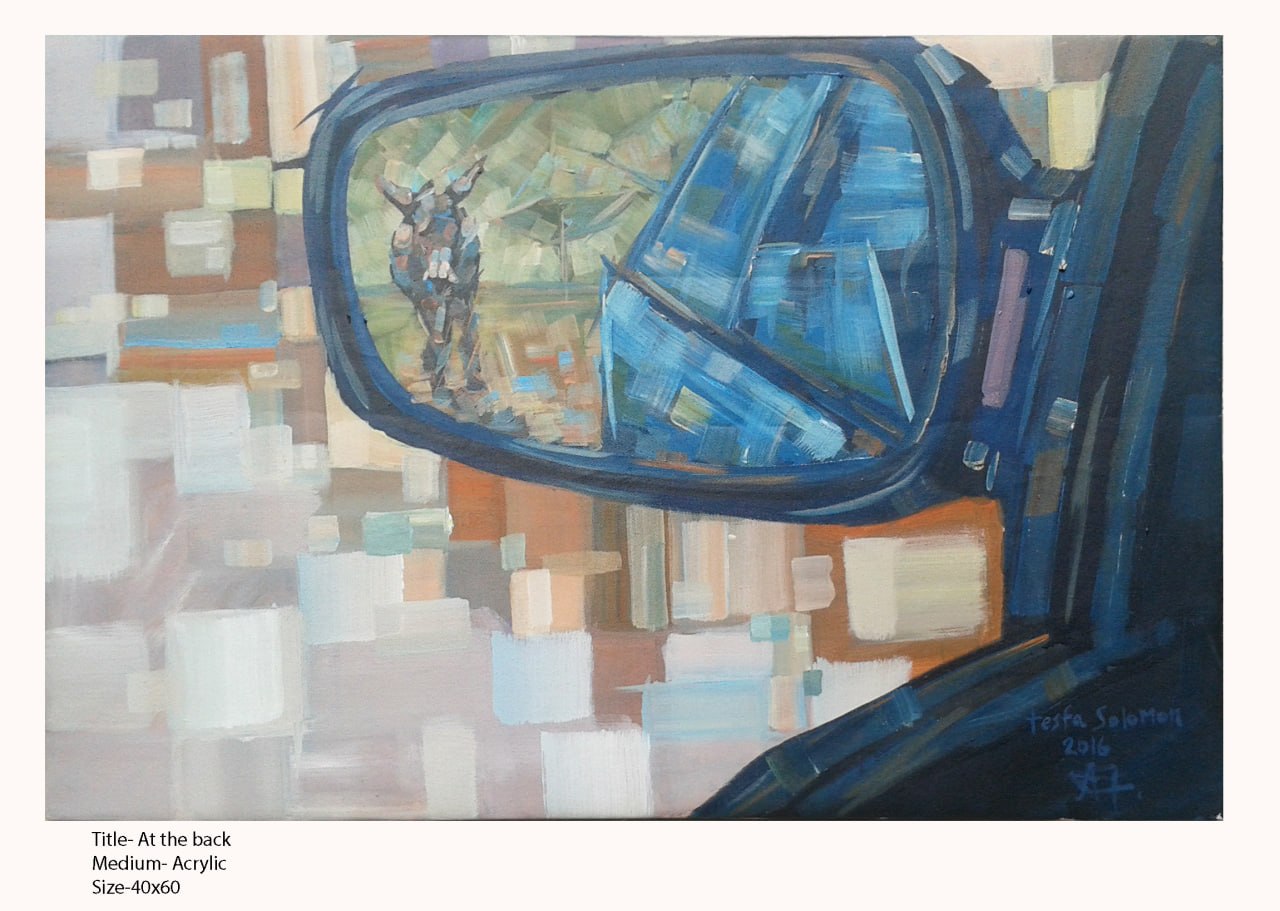
Installation atmosphere from an Alliance Ethio-Française presentation
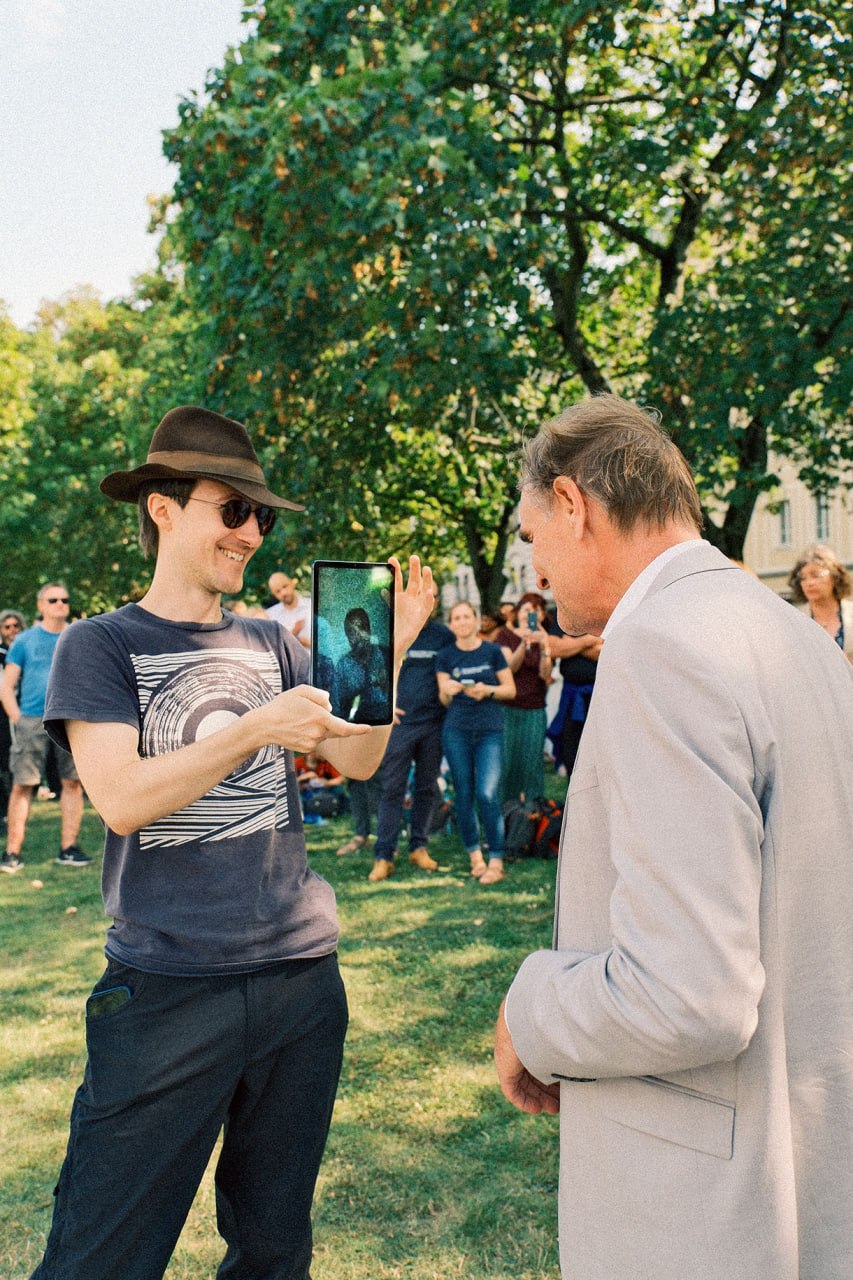
Printed materials from Addis venues—books, catalogues, and event records—also preserve how the work entered public conversation. They sit beside the digital galleries as another layer of memory, useful when photographs alone cannot carry the pace of an opening night.
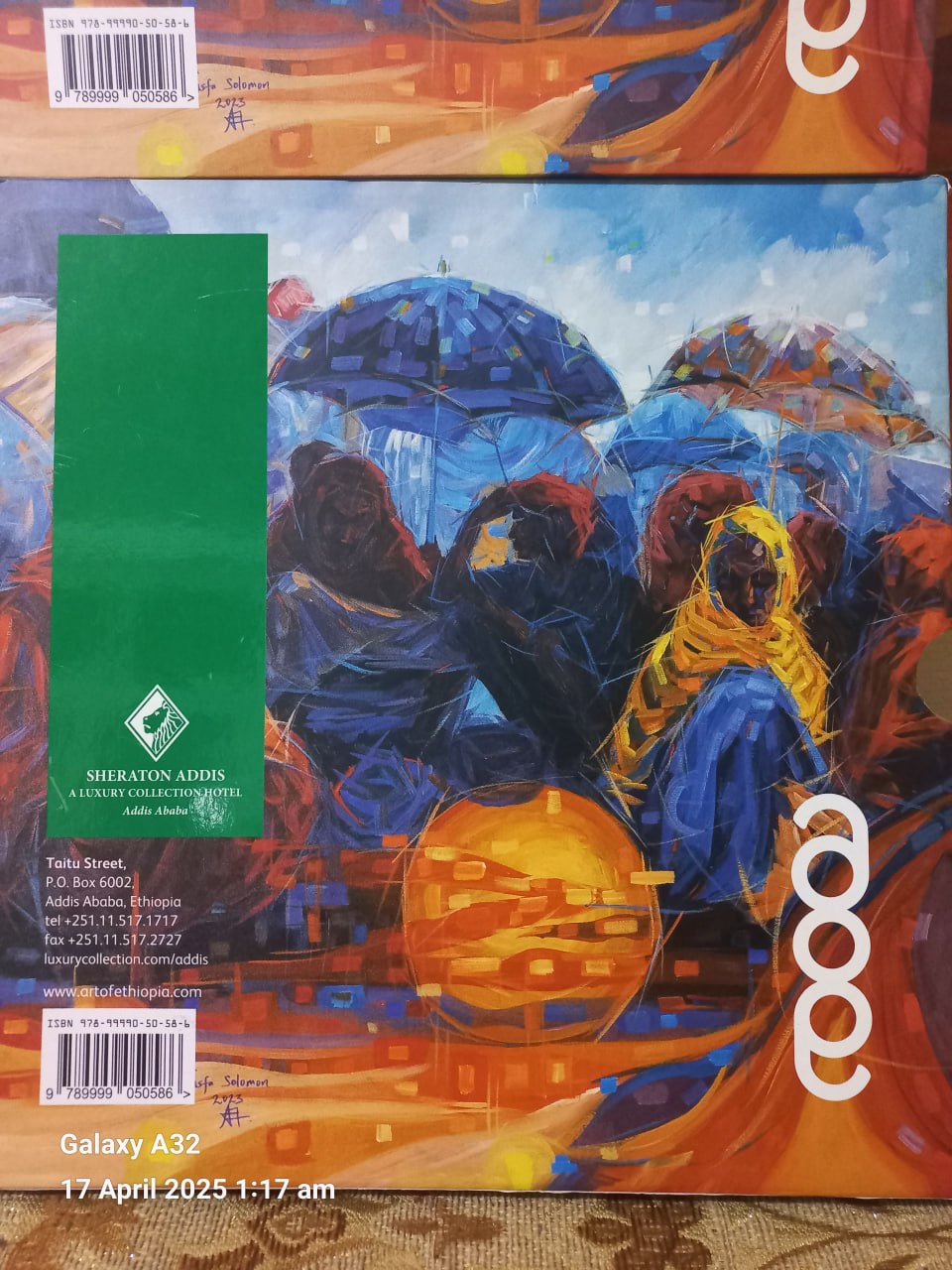
Printed exhibition documentation from Addis Ababa venues
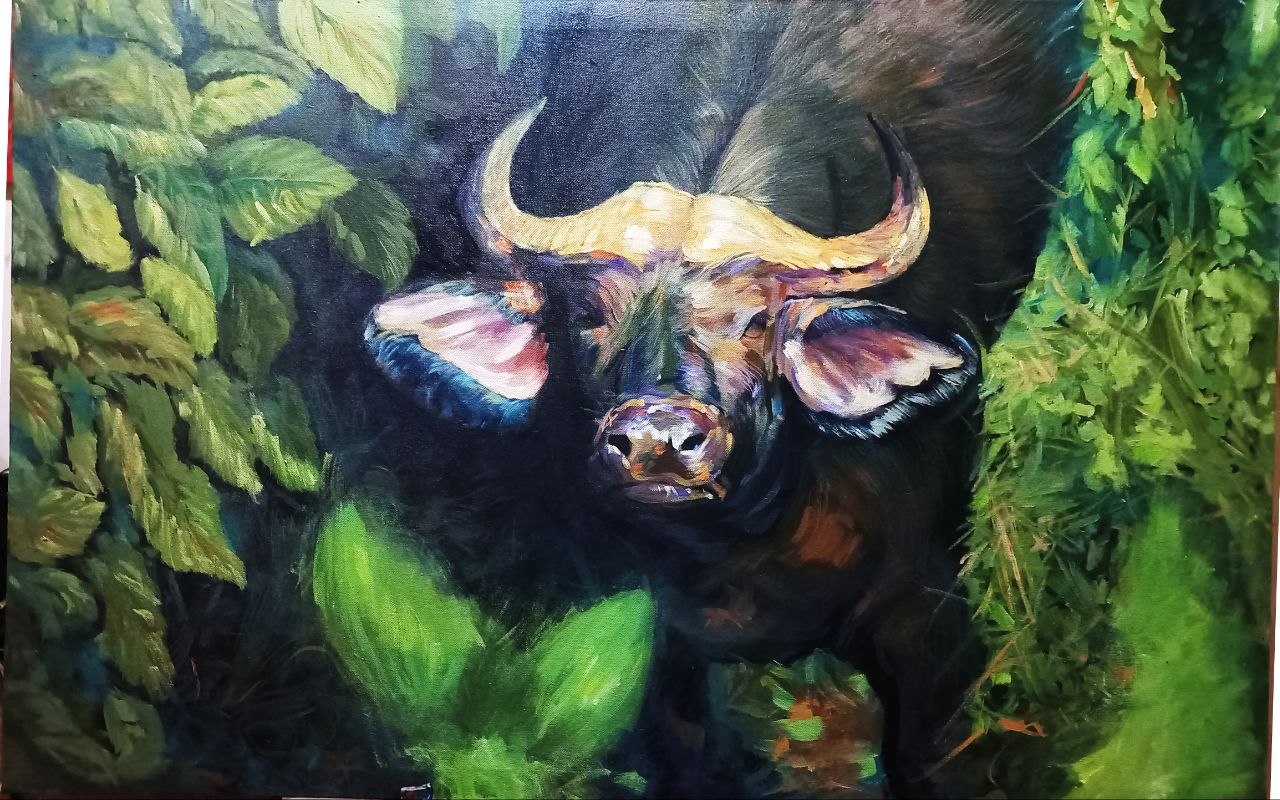
When you browse the archive, try pairing an early solo with a later café presentation. Notice what stays constant—geometry, acrylic density, market and urban motifs—and what flexes to fit the room. That comparison is often more informative than a single hero image.
Where to look next
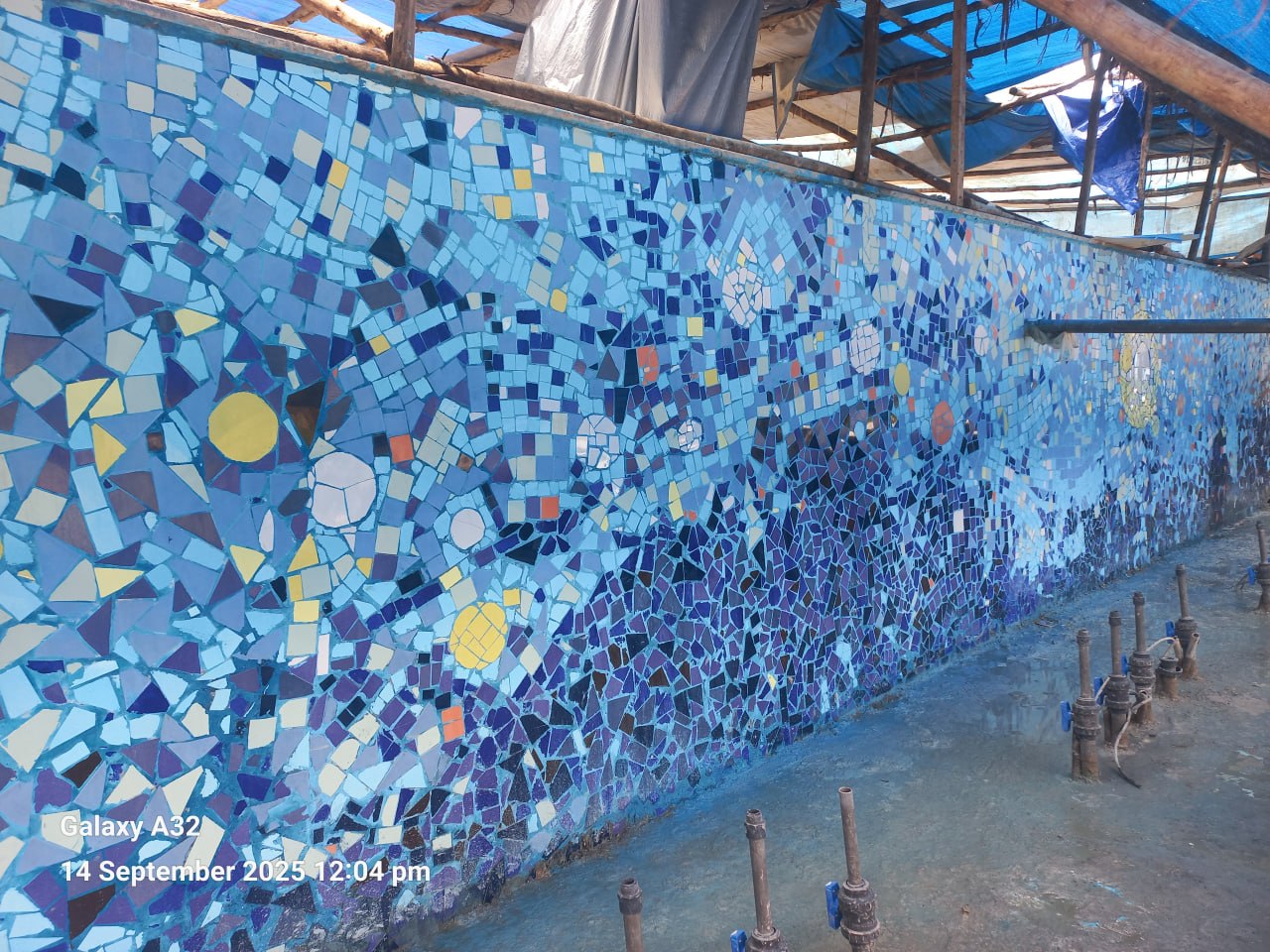
Start with Alliance and Tomoca for earlier solos, open Matot for a recent café presentation, then visit Other Group Exhibitions for Traditional Market, Patriotism, and mixed salon strands. The Corridor project documents mosaic and statue work made for a civic audience. Use the Blog for context essays like this one; use Portfolio when you want to stay inside the photographs.